
How To Choose 25kva Single Phase Transformer?
-
25kva single phase transformer selection for industrial systems covering load capacity efficiency insulation class and safety compliance.
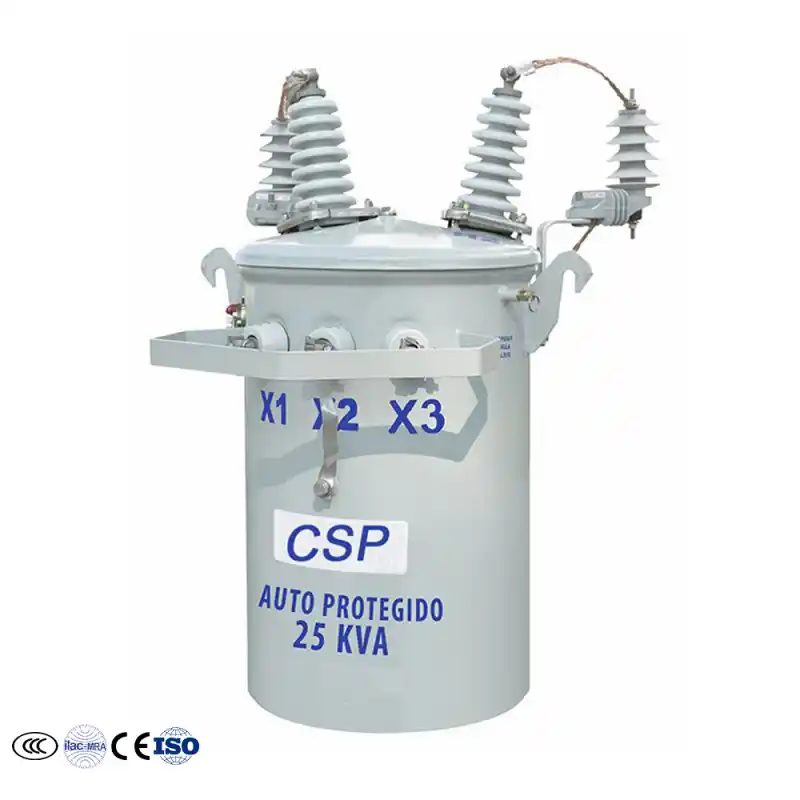
A 25kva single phase transformer supports stable voltage conversion in commercial and light industrial systems. Proper selection directly affects safety, efficiency, and long-term reliability. Engineers evaluate load demand, voltage stability, and installation conditions before procurement. Incorrect sizing may cause overheating or reduced performance under continuous operation. This equipment often serves workshops, control panels, and auxiliary distribution systems. Electrical planners also consider duty cycles and harmonic behavior during system design. Correct specification ensures consistent output and reduced maintenance costs over time. Reliable operation depends on matching equipment performance with real usage requirements.
Load Capacity Evaluation and System Matching
Accurate load estimation remains essential when specifying a 25kva single phase transformer for industrial use. Engineers calculate total connected load in kilowatts and include safety margins. Startup current and peak demand must be considered during sizing decisions. Continuous operation should stay within rated capacity to prevent thermal stress. Overloading accelerates insulation aging and reduces equipment lifespan. Power factor also influences actual usable capacity in practical applications. Correct load alignment improves efficiency and reduces unexpected downtime. Stable performance depends on precise matching between electrical demand and transformer rating.
Core Material Selection and Magnetic Efficiency
Core material quality determines energy efficiency and performance stability in transformer operation. Manufacturers typically use CRGO steel or amorphous alloys to reduce magnetic losses. These materials improve flux distribution and minimize energy dissipation. Eddy current and hysteresis losses are reduced through optimized lamination design. Improved core construction lowers operational temperature during load conditions. Efficient magnetic performance directly impacts electricity consumption over time. Engineers prioritize high-efficiency designs for cost control and sustainability goals. Material selection plays a critical role in long-term system performance.
Insulation System and Thermal Control Design
Thermal management is essential for maintaining transformer reliability under continuous operation. Insulation systems are classified into thermal classes such as A, B, F, and H. Each class defines temperature limits for safe operation. Oil-based or dry-type insulation supports heat dissipation in different environments. Cooling structures prevent internal overheating during peak loads. Proper insulation reduces the risk of electrical breakdown and system failure. Temperature monitoring helps detect abnormal conditions early. Effective thermal design ensures consistent performance and extended service life in industrial systems.
Voltage Compatibility and System Integration
Voltage matching ensures stable operation within electrical distribution systems. Input and output ratings must align with system specifications and connected equipment.
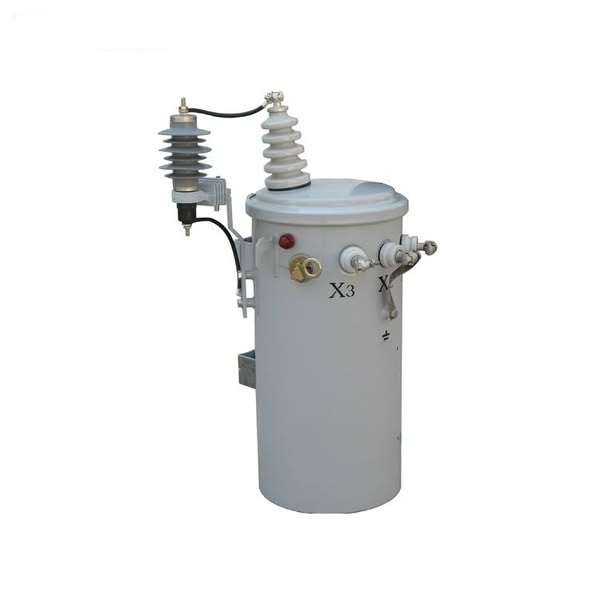
Incorrect voltage selection may damage devices or reduce efficiency. Frequency compatibility also affects transformer performance in different regions. Phase alignment must be verified during installation to avoid operational issues. Proper integration supports smooth energy flow across connected loads. Electrical compatibility reduces voltage fluctuations during load variation. Reliable system performance depends on accurate configuration and planning.
Safety Standards and Compliance Requirements
Compliance with IEC 60076 and ANSI C57 standards ensures safe operation in industrial environments. IEC 60076 defines power transformer design, insulation coordination, and temperature rise limits. ANSI C57 specifies testing methods, performance ratings, and dielectric strength requirements. Protection devices such as breakers and fuses isolate faults rapidly under abnormal conditions. Grounding systems follow IEC 60364 guidelines to reduce shock risks and equipment damage. In large transmission systems, equipment like 220 kV Oil-Immersed Power Transformer handles high voltage distribution. Although system scale differs, safety principles remain consistent across applications.
A 25kva single phase transformer must also meet IEC 61558 requirements for low-voltage transformer safety. This standard defines insulation levels, creepage distance, and thermal protection criteria. ANSI C57.12 series outlines manufacturing tolerances and routine testing procedures. Certification ensures compliance with short-circuit withstand and load performance limits. Protection systems follow NEC Article 450 for installation and fault protection rules. Grounding practices align with IEEE 80 standards for safety design. Manufacturers conduct routine and type tests before delivery. Compliance ensures reliable integration into industrial and commercial electrical systems.
Installation Environment and Structural Constraints
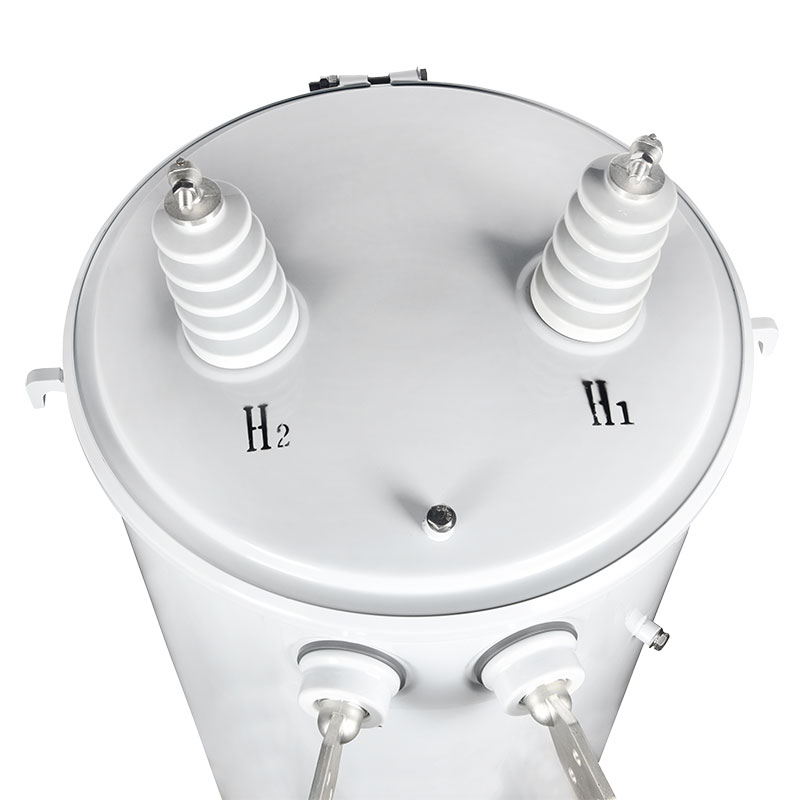
Environmental conditions strongly influence transformer performance and durability. Installation areas must provide sufficient ventilation for heat dissipation. Indoor environments require protection from dust and moisture exposure. Outdoor setups demand weather-resistant enclosures and corrosion protection. Structural stability reduces vibration and mechanical stress during operation. In medium voltage networks, systems such as 35 kV oil-immersed Transformer support regional distribution. Proper positioning ensures airflow and easy maintenance access. Installation planning improves long-term reliability and operational efficiency.
Efficiency Optimization and Energy Loss Management
Energy efficiency plays a key role in reducing operational costs over time. Losses occur during no-load and load conditions due to core and winding resistance. Optimized designs reduce these losses and improve performance stability. Power factor correction enhances overall system efficiency. Efficient equipment generates less heat and consumes less energy. Reduced loss contributes to sustainability and lower electricity expenses. Engineers focus on balancing efficiency with investment cost. Long-term savings depend on selecting energy-efficient configurations.
| Parameter | Standard Unit | High Efficiency Unit |
|---|---|---|
| No-load loss | Higher | Lower |
| Load loss | Moderate | Reduced |
| Temperature rise | Higher under load | Controlled |
Efficiency comparison shows how design differences influence performance and operating cost. Improved materials reduce heat generation and energy waste. Stable temperature control enhances durability and reliability. Engineers prefer efficient designs for long-term savings and consistent operation.
Maintenance Strategy and Operational Reliability
Routine maintenance ensures consistent transformer performance and reduces failure risk. Inspection includes checking insulation resistance and electrical connections. Thermal imaging helps detect overheating components early. Dust removal improves cooling efficiency and prevents blockage. Scheduled servicing reduces unexpected downtime in industrial operations. Predictive maintenance techniques identify potential issues before failure occurs. Proper documentation supports long-term performance tracking. Reliable maintenance practices extend equipment service life significantly.
| Component | Inspection Method | Interval |
|---|---|---|
| Insulation | Resistance testing | 6 months |
| Cooling system | Thermal scan | 3 months |
| Connections | Torque check | 12 months |
Maintenance planning ensures each component operates within safe parameters. Regular inspection reduces failure probability and improves reliability. Structured schedules support stable long-term performance in industrial environments.
Key Selection Parameters for Engineering Decision
Selecting the right equipment requires evaluation of several technical parameters. Engineers consider electrical capacity, voltage ratio, and insulation class. Cooling method selection depends on environmental conditions and load demand. Efficiency rating influences long-term operational cost and energy usage. Mechanical design affects installation stability and durability. Each parameter contributes to safe and efficient system performance. Balanced evaluation ensures compatibility with industrial requirements and operational goals.
- Rated capacity and safety margin
- Voltage ratio and frequency compatibility
- Cooling method and insulation class
- Efficiency level and energy loss
- Installation and environmental conditions
Proper evaluation of these factors ensures reliable system design and performance stability.
Engineering Interpretation of Selection Factors
Technical evaluation requires balancing cost, efficiency, and durability considerations. Engineers analyze lifecycle cost rather than initial purchase price alone. High-efficiency designs reduce long-term energy consumption significantly. Material quality affects both thermal performance and electrical stability. Installation environment also influences equipment lifespan and reliability. Data comparison helps determine optimal configuration for specific applications. Decision-making involves both technical and economic considerations. Proper analysis ensures dependable power distribution in industrial systems.
FAQ
What is the typical application of a 25kva single phase transformer?
A 25kva single phase transformer is commonly used in commercial buildings and light industrial systems. It provides stable voltage conversion for lighting circuits and control equipment. Many workshops rely on it for powering small machinery and auxiliary systems. Engineers select it when moderate load demand requires consistent energy supply. The unit performs well in localized distribution networks with steady operating conditions. Proper installation ensures efficient and reliable performance over long periods. It is not designed for large transmission systems or heavy industrial loads. Instead, it supports secondary distribution where voltage stability remains critical for operations.
How do I calculate load for a 25kva single phase transformer?
Load calculation starts by identifying all connected electrical devices within the system. Each device power rating is converted into kilowatts for accurate measurement. Engineers include a safety margin to account for startup currents and demand fluctuations. Total load must remain below the rated transformer capacity to ensure safe operation. Power factor correction improves calculation accuracy in practical scenarios. Overloading increases heat generation and reduces equipment lifespan significantly. Proper load estimation ensures stable voltage output and minimizes operational risks. Accurate planning supports efficient system performance and prevents unexpected failures during operation.
What standards should a 25kva single phase transformer meet?
A 25kva single phase transformer must comply with IEC 61558 and ANSI C57 standards for safety and performance. IEC 61558 defines insulation requirements, temperature limits, and protection methods. ANSI C57 series specifies testing procedures and operational performance criteria. Certification ensures the unit meets electrical and mechanical safety benchmarks. Protection systems must align with NEC installation rules and IEEE grounding standards. Manufacturers perform routine and type tests before shipment. Compliance improves reliability, consistency, and safety during operation. Standard adherence supports stable integration into industrial and commercial electrical systems.